
From Contaminated Soils to Circular Bio-based Textile Innovations and a Hands-On Look at Asturias’ Brownfield.
Towards Circularity and Restoration
pHYBi’s vision is to leverage the potential of phytomanagement by utilising industrial crops to extract and immobilise pollutants, while producing lignocellulosic biomass for textile applications. This ensures that previously degraded, agricultural land is repurposed as a valuable resource that supports the bioeconomy. Sites across Europe, including brownfield sites contaminated by pyrite ash, sites polluted by wastewater and oil spills, and areas affected by excess salinity, serve as living laboratories for the project’s pilot activities.
Scientific Milestones in Year One
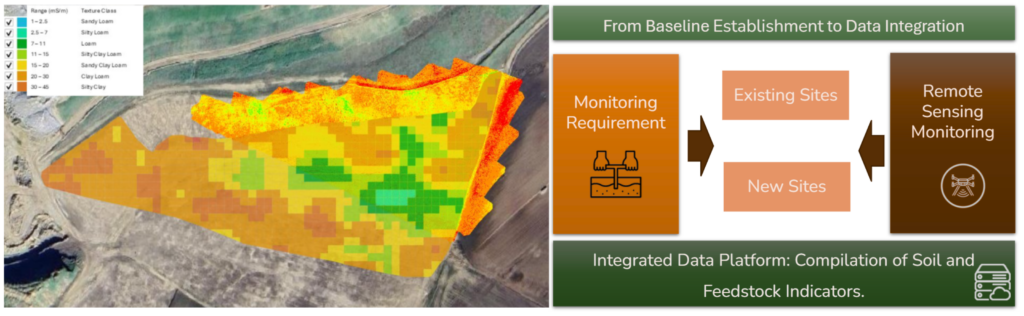
Throughout the first year, the consortium established and closely monitored pilot sites in several contaminated areas. Standardised protocols for measuring soil health (physical, chemical, and microbiological indicators) were implemented, and detailed sampling and contaminant analyses were used to track the movement of pollutants and the quality of biomass. Remote sensing and drone flights were carried out, particularly in saline areas, to validate digital salinity models against field data and improve soil pollution monitoring.
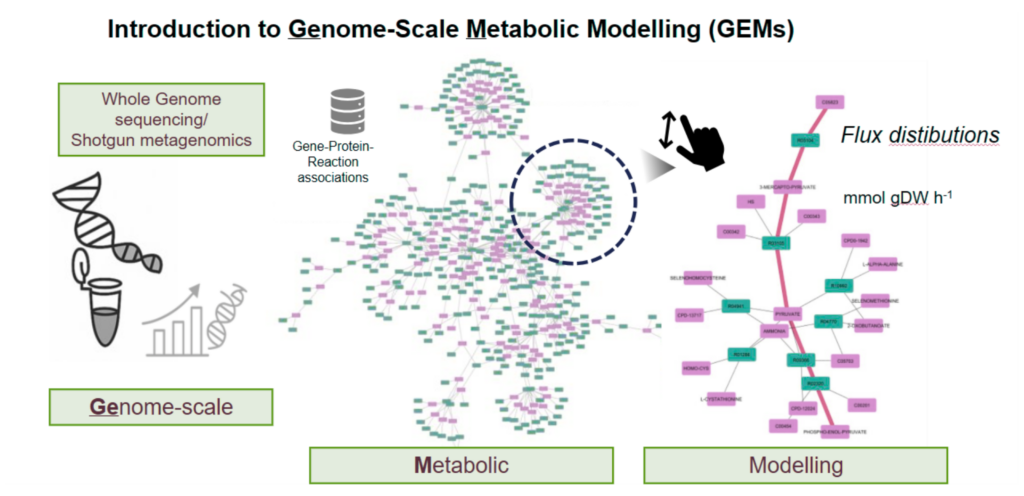
pHYBi’s scientific strategy involves cultivating woody and herbaceous plants such as Miscanthus × giganteus and Cannabis sativa. These are being optimised for local environmental conditions through defined protocols such as irrigation, fertilisation, and pest control. Trials are ongoing to evaluate the potential of these crops for phytoremediation, while project partners are experimenting with microbial consortia, mycorrhizae, and targeted soil amendments to increase biomass yields and remediation capacity. Innovative, genome-scale metabolic models are being developed to simulate plant-microbe interactions, providing deeper insights and informing future experiments.
Next Steps
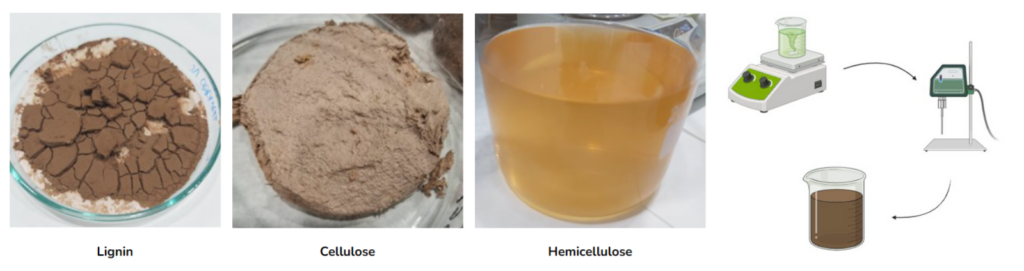
The next step in the pHYBi process is to examine the potential of the produced and harvested biomass for producing high-quality, bio-based textile fibres. This will be done by subjecting the biomass to thorough fractionation and characterisation. By aligning the quality of the feedstock with the textile industry’s needs, pHYBi supports market-driven routes for sustainable materials.
Additionally, to maximise impact and foster replicability, the project is developing a Virtual Replication Tool. This digital platform will simulate the implementation of phytomanagement, biomass valorisation, and end-product applications in new regions, linking biomass producers with biorefineries and facilitating market uptake. User guidelines, recommendations and threshold values will enable researchers, industry representatives and policymakers to scale up the pHYBi approach in a practical and accessible way.
Reflections from the Consortium Meeting in Oviedo
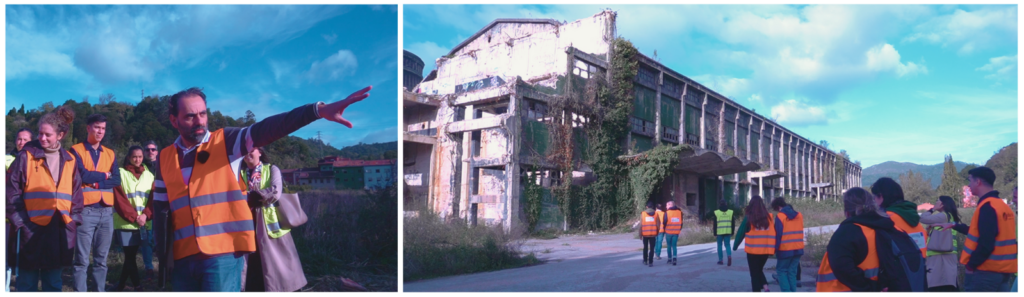
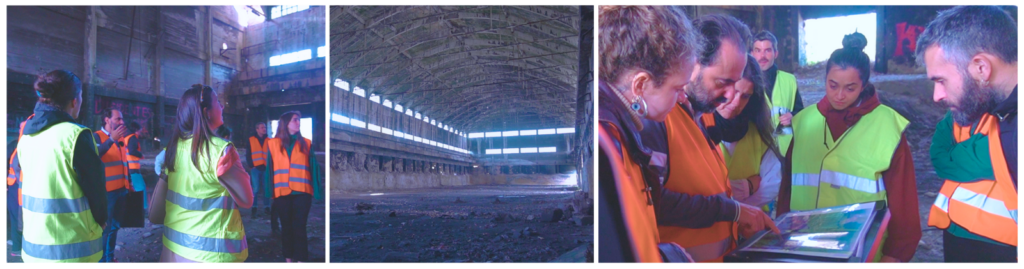
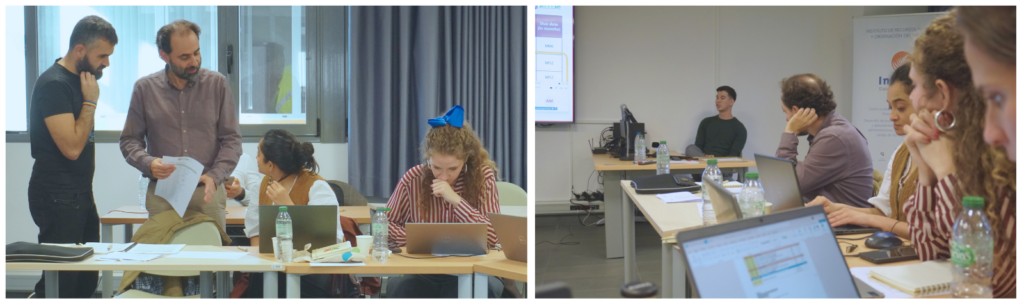
To celebrate the anniversary of the project, the pHYBi consortium gathered in Oviedo, hosted by the University of Oviedo, to review progress, discuss initial results and plan next steps. A key highlight was the hands-on experience gained during a tour of the Asturias trial site in Langreo, which is located on the grounds of the former Nitrastur fertiliser plant. Here, pHYBi researchers are addressing one of Spain’s most challenging brownfield sites, which is characterised by high levels of arsenic, lead and pyrite ash. They are doing this by using historical data and innovative remediation techniques.
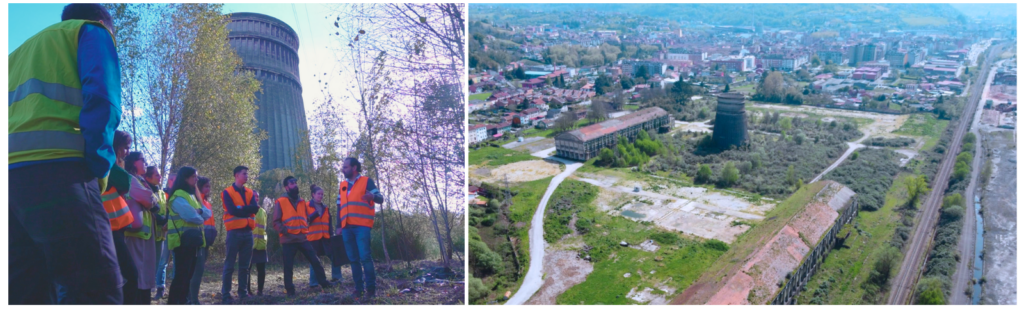
Led by José Luis Rodríguez Gallego, the consortium explored the trial area, gaining first-hand insights into field conditions and exchanging practical solutions for dealing with contaminated soils. This allowed them to engage directly with the realities of remediation research. The photos reflect the significant challenges and inspiring potential of Europe’s transition towards clean soils and circular textile production.
Looking Forward
Building on the achievements of the first year, future work in pHYBi will include further optimised phytomanagement trials, continued valorisation studies and increased engagement with stakeholders and related initiatives.
A co-creation workshop is being organised in Sargentes, Spain, in December to coincide with the signing of the EU Soil Mission Manifesto in Burgos. During this event, partners, policymakers, and local stakeholders will discuss the challenges and opportunities involved in restoring degraded soils and promoting sustainable land use. Collaborating with related EU initiatives fosters a culture of exchange and innovation, which is vital for refining solutions and encouraging broader acceptance.
As the project enters its second year, it sets a great example for interdisciplinary progress by demonstrating that contaminated soils can be used to build a sustainable, circular future for the European textile industry.
For more information find our latest press release here: pHYBi_2nd_PressRelease_-final.pdf