BioRemid is an international conference focused on innovative approaches to bioremediation and environmental restoration. The event showcases the latest developments in biological, biotechnological, and nature-based solutions for addressing contaminated soils, groundwater, and sediments, while fostering dialogue on emerging environmental challenges and opportunities.
This year’s conference also looked at the role of bioremediation in supporting broader policy goals such as the European Clean Industry Deal. Topics ranged from pollution mapping and health impacts to in situ technologies for metal removal, biological tools for plastics and biopolymers, and new approaches for aquifer and sediment remediation. Several contributions also focused on how contaminated environments can be turned into resources through integrated and nature-based interventions.
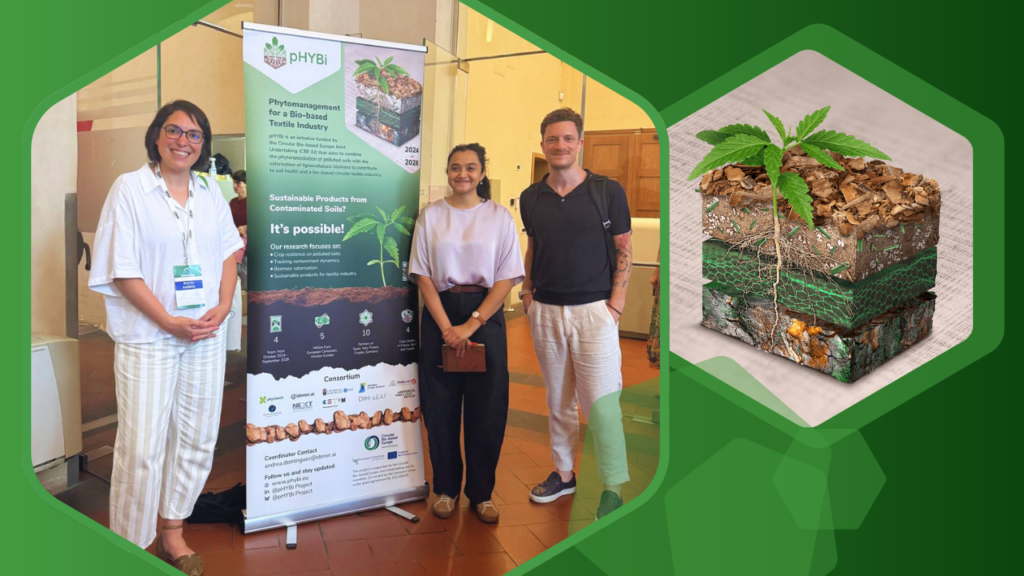
On the afternoon of the first day, the All4Biorem Cluster Session focused specifically on how bioremediation research can be brought closer to real-world application. The session was introduced by Akanksha Mishra (Idener) and brought together the ALL4BIOREM cluster, a group of 10 EU-funded projects working across different aspects of bioremediation. The aim is to share experience, compare approaches, and identify common challenges across projects.
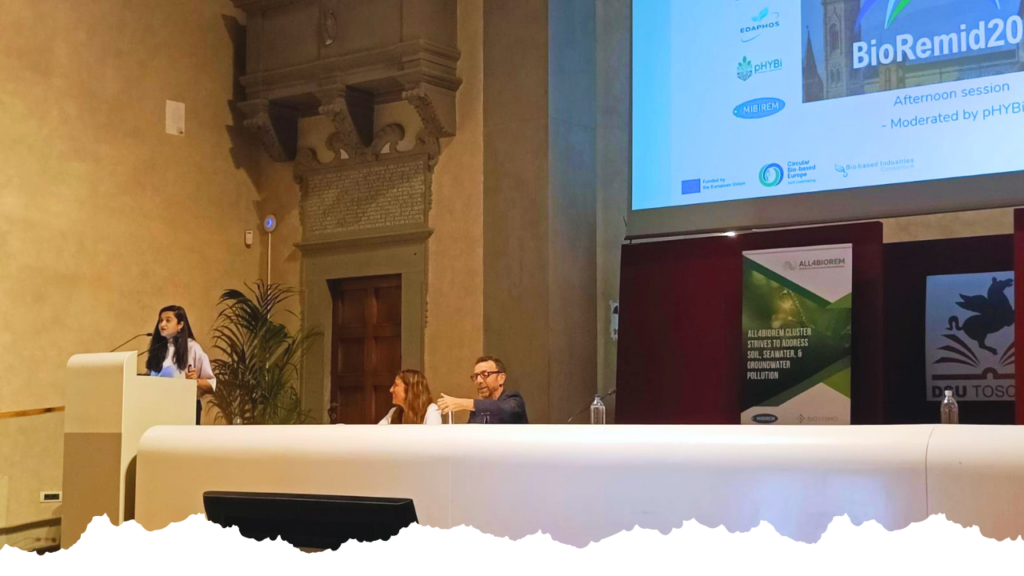
The presentations were structured around three main topics:
- emerging bioremediation technologies and different approaches to soil and water pollution
- barriers to moving from lab-scale research to field application
- expanding the use of bioremediation beyond clean-up towards value creation
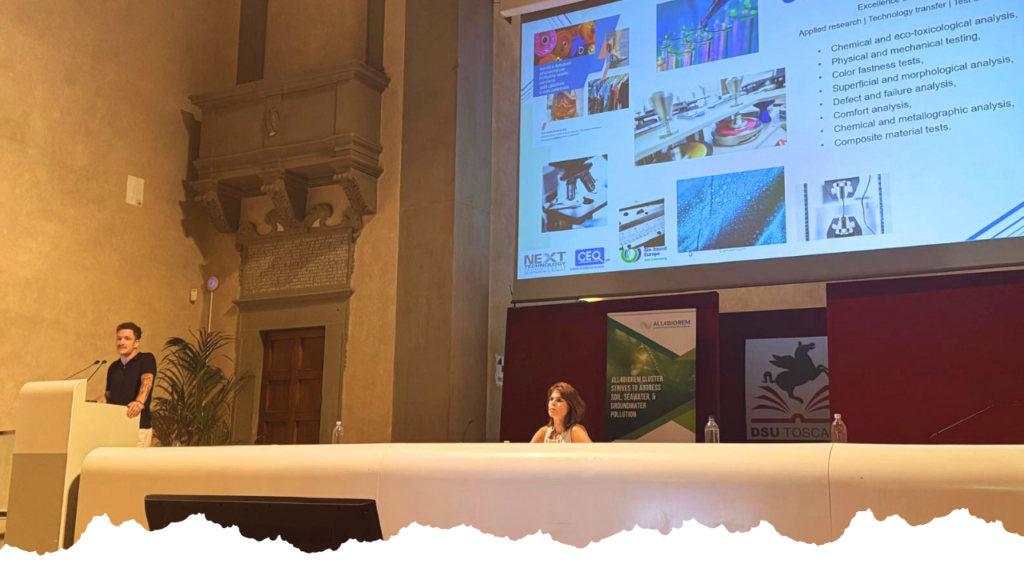
During the third session, Tommaso Nieri (NTT) presented the work of pHYBi on using lignocellulosic biomass obtained through remediation practices for applications in the textile industry. His presentation demonstrated how biomass generated during remediation can be used to create sustainable products.
Overall, the session showed the value of collaboration between EU-funded projects in pushing innovation forward, addressing practical implementation challenges, and strengthening the role of bioremediation within Europe’s circular and sustainable economy goals.