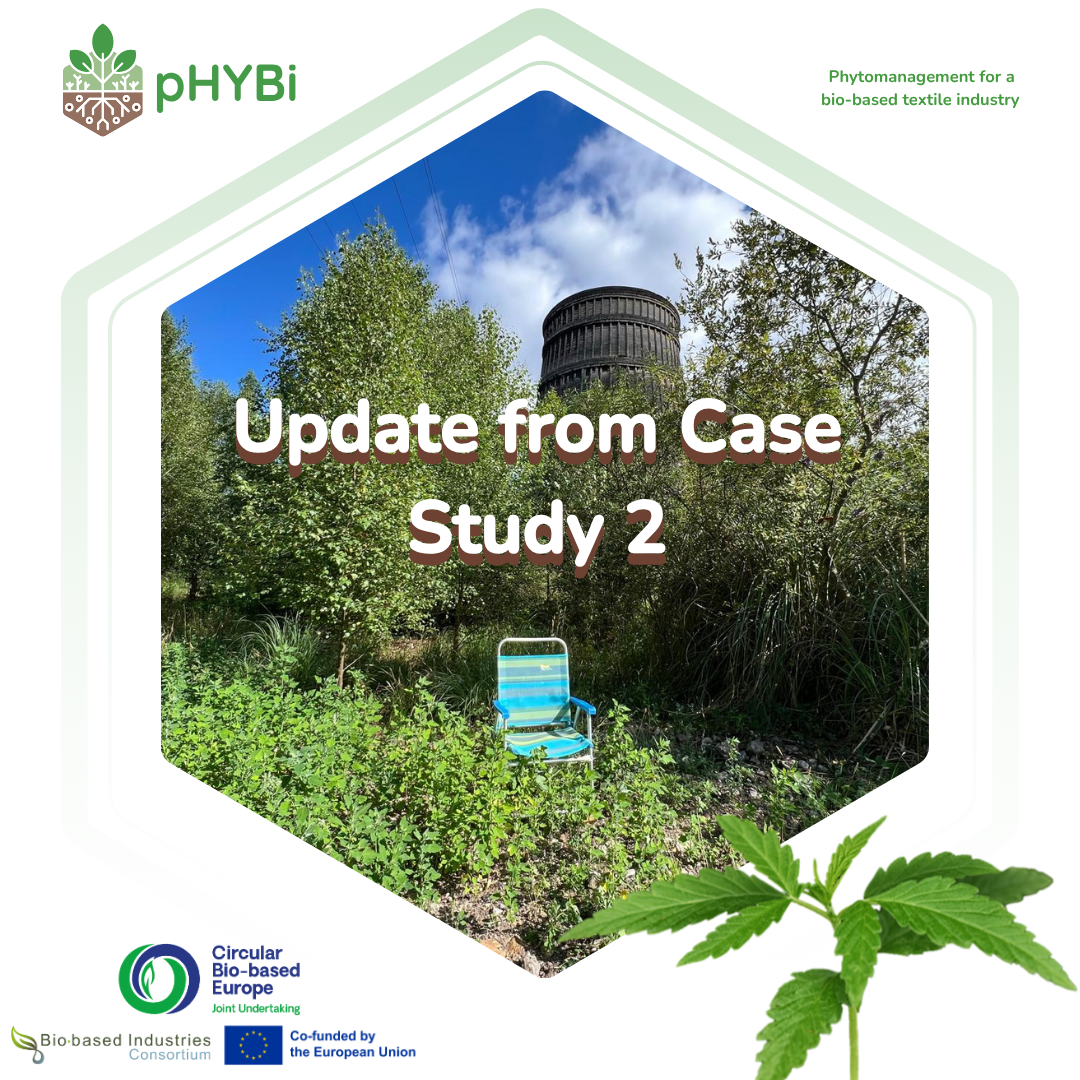
The former Nitrastur fertiliser plant in Langreo, Asturias, is one of many post-industrial contaminated sites in northern Spain. The approximately 20-hectare site has been affected by decades of coal mining, energy production, steelmaking and chemical industry. The Nitrastur facility was closed in 1997. Today, the site is particularly affected by arsenic and lead, with additional contaminants including zinc, cadmium, copper, hydrocarbons and polycyclic aromatic hydrocarbons (PAHs). Fine-grained pyrite ash mixed with the natural soil is considered an important source of contamination.
Within the European research project pHYBi, Nitrastur serves as one of the field sites for the development and testing of phytomanagement strategies. The goal is to support the long-term stabilisation of contaminated land, improve soil functions, reduce contaminant availability and establish sustainable vegetation under challenging site conditions.
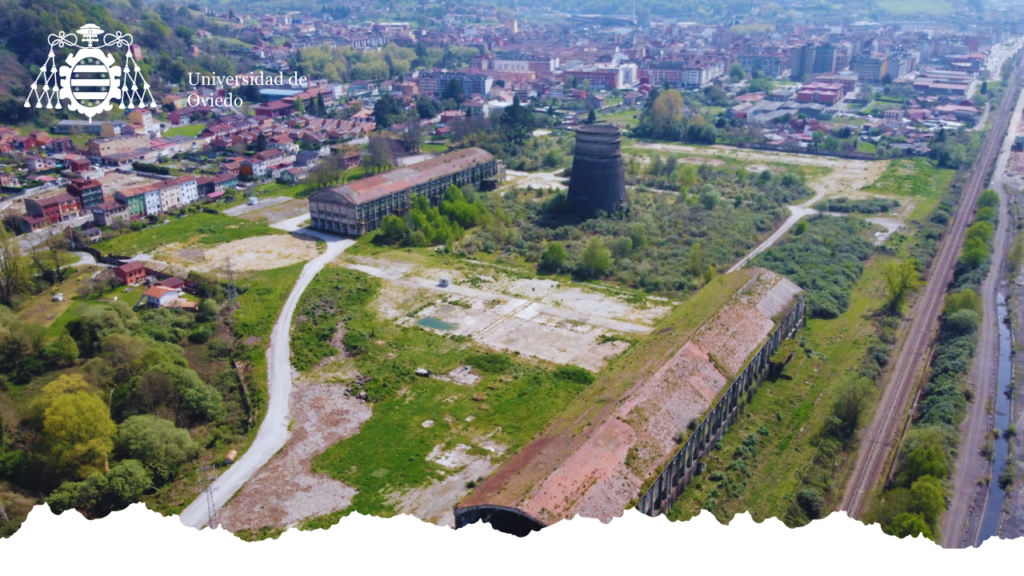
Understanding how a contaminated site changes over time
A particular feature of the Nitrastur case study is the availability of experimental plots established during previous research projects. Birch and willow were planted during earlier initiatives, including LIFE I+DARTS, NANORM and REGROUND. These plots provide an opportunity to assess vegetation performance and soil–plant interactions over an extended time period.
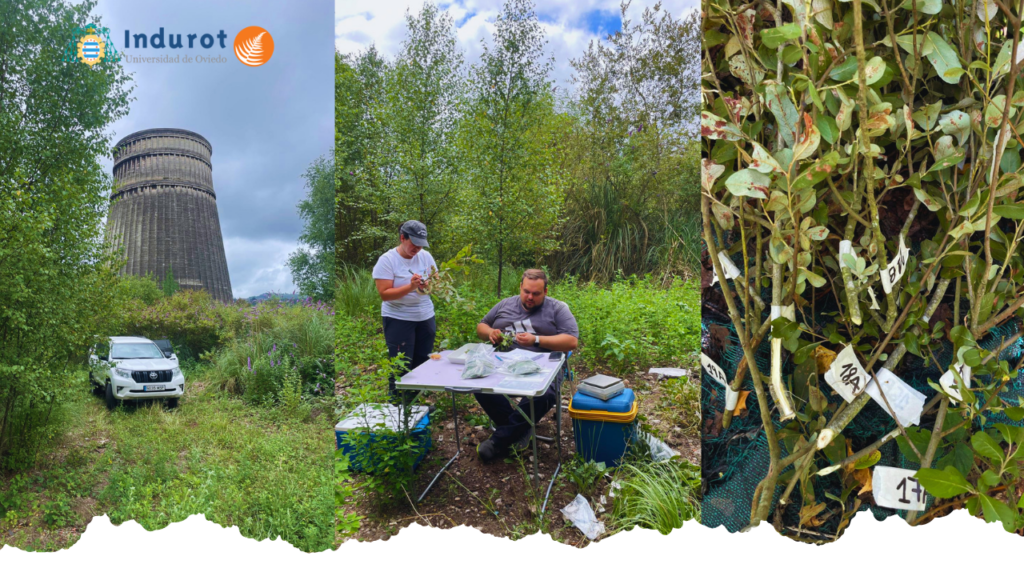
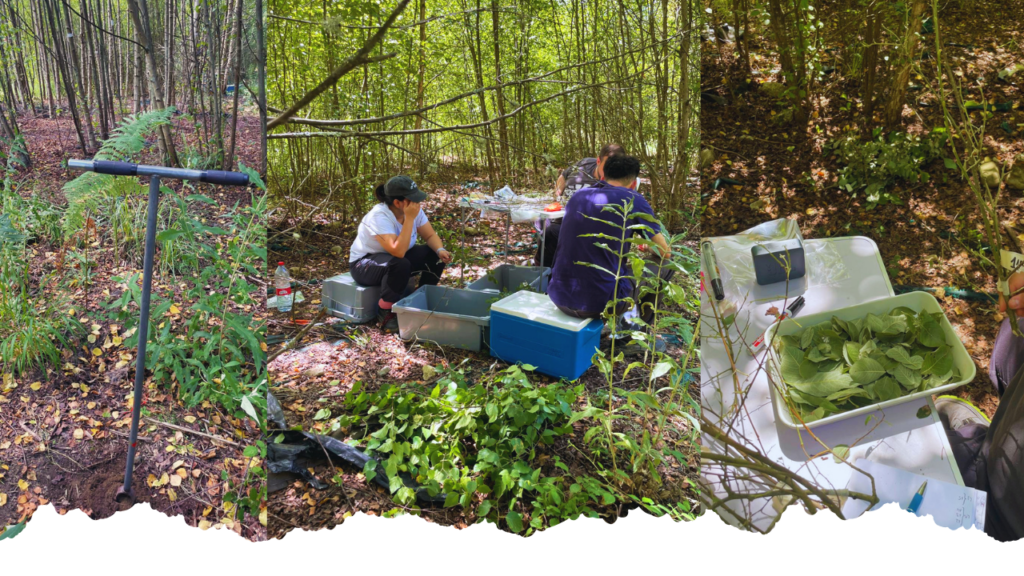
Within pHYBi, researchers from the Institute of Natural Resources and Spatial Planning (INDUROT) at the University of Oviedo are conducting field campaigns to characterise the current state of the experimental plots and to investigate changes in soil, vegetation and microbial parameters.
The first monitoring campaign identified substantial spatial heterogeneity in contaminant concentrations across the site. This observation highlights the complexity of long-term phytomanagement in heterogeneous contaminated environments. Plant performance and contaminant uptake cannot necessarily be predicted from total contaminant concentrations alone. Soil properties, contaminant speciation and bioavailability, plant traits, microbial communities and spatial variability may all contribute to the observed response.
Second field campaign
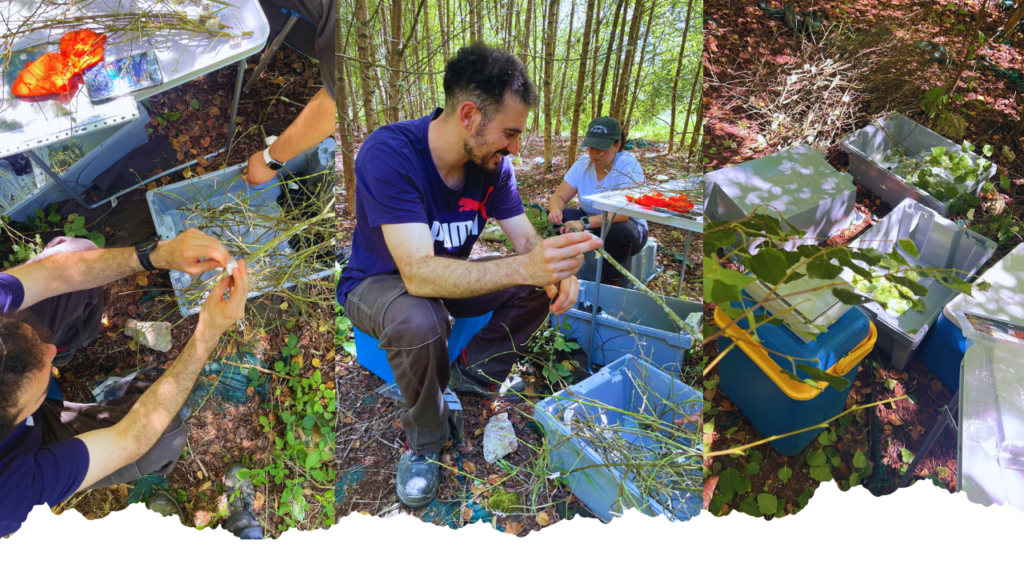
The second field campaign extends the previous monitoring activities through a combination of soil and plant sampling, chemical analyses and biological and spatial measurements.
Soil and plant samples are analysed to characterise contaminant concentrations and selected soil properties relevant to soil functioning. In parallel, microbial communities are investigated using metagenomic approaches to assess potential changes in microbial composition and functional characteristics associated with the contaminated environment and vegetation.
Vegetation structure and condition are assessed using complementary remote-sensing techniques. Three-dimensional laser scanning is used to obtain information on tree height and biomass, while drone-based multispectral imagery provides spatial information on vegetation characteristics and plant condition.
The integration of these methods is intended to improve the spatial and biological characterisation of the phytomanagement plots. In particular, combining field-based chemical analyses with remote sensing may help relate contaminant patterns and soil properties to vegetation development at the plot and site scales.
Experimental evaluation of phytomanagement amendments
The long-term monitoring is complemented by experimental work aimed at evaluating potential phytomanagement interventions. The approaches considered within pHYBi include organic soil amendments, nanoscale materials and microbial inocula.
The purpose of these interventions is to investigate whether modifications of the soil environment can influence contaminant availability and plant performance. Depending on the specific treatment, potential mechanisms may include changes in soil physicochemical properties, interactions with contaminants, modification of microbial communities or improved conditions for plant establishment.
At the current stage, these approaches should be regarded as experimental strategies rather than demonstrated remediation technologies for the Nitrastur site. Their effectiveness, persistence and potential environmental implications require assessment under field conditions.
Importance of a long-term perspective
Long-term monitoring is particularly relevant for phytomanagement because the approach relies on biological and ecological processes rather than on the rapid physical removal of contaminated soil.
Short-term measurements may not adequately capture changes in vegetation performance, contaminant bioavailability or soil biological communities. Long-term observations can provide information on whether changes persist, whether plant growth remains stable and how soil–plant–microorganism interactions develop over time.
The Nitrastur site is therefore relevant not only for evaluating individual phytomanagement treatments but also for investigating the factors controlling their long-term performance. The absence of simple relationships between contamination levels, plant responses and microbial communities observed during the previous monitoring campaign illustrates the importance of considering these components as an interacting system.
Outlook
The second field campaign provides additional data for the characterisation of the Nitrastur experimental plots and contributes to the design and assessment of subsequent field experiments.
A key objective is to determine whether selected combinations of vegetation, organic amendments, nanoscale materials and microbial inocula can modify relevant soil properties, influence contaminant availability and support sustained plant establishment under the site-specific conditions of Nitrastur.
The results will need to be evaluated using quantitative measurements and appropriate temporal comparisons to determine treatment effects and their persistence. Particular attention should be given to distinguishing changes in total contaminant concentrations from changes in contaminant bioavailability, as well as to assessing potential trade-offs associated with contaminant accumulation in plant biomass.
Overall, the Nitrastur case study provides a field-based framework for investigating the long-term behaviour of phytomanagement systems in a heterogeneous, multi-contaminated industrial environment. The combination of long-term experimental plots, soil and plant analyses, microbial characterisation and remote-sensing methods offers an opportunity to examine phytomanagement as an integrated soil–plant–microorganism system rather than as a single remediation process.
The ongoing work will help determine the conditions under which phytomanagement approaches may contribute to the management of contaminated land, while also providing information on their limitations and the factors that need to be considered for their long-term application.