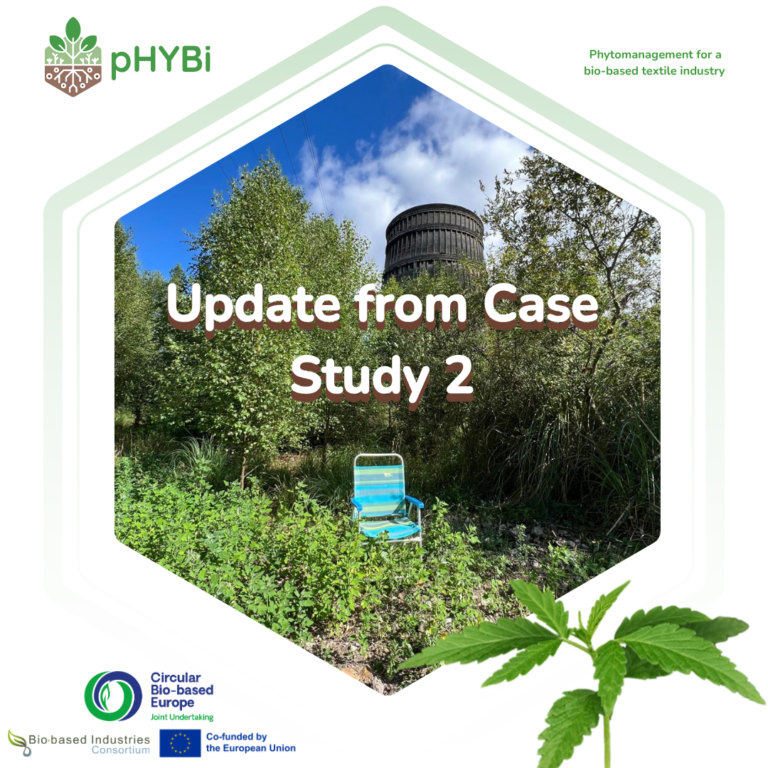
Assessing Long-Term Phytomanagement at former Nitrastur Plant
Long-term phytomanagement at a former fertilizer plant in Langreo investigates how contaminated soils, vegetation and microbial communities develop over time.
Long-term phytomanagement at a former fertilizer plant in Langreo investigates how contaminated soils, vegetation and microbial communities develop over time.
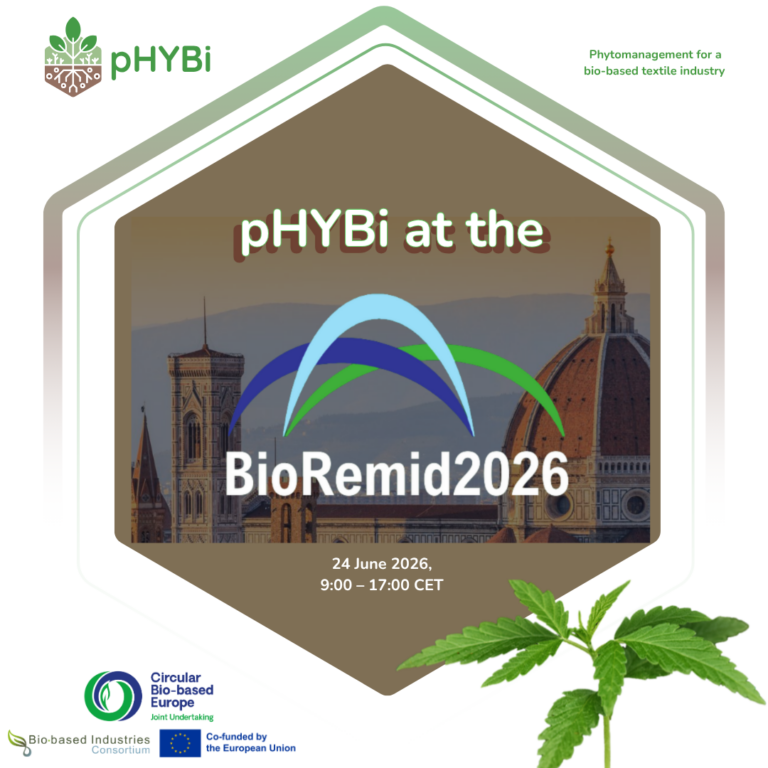
From 23–26 June, the BioRemid2026 conference took place in Florence, Italy, bringing together researchers and practitioners working on bioremediation and environmental restoration. pHYBi contributed to the conference as part of the All4Biorem Cluster Session.
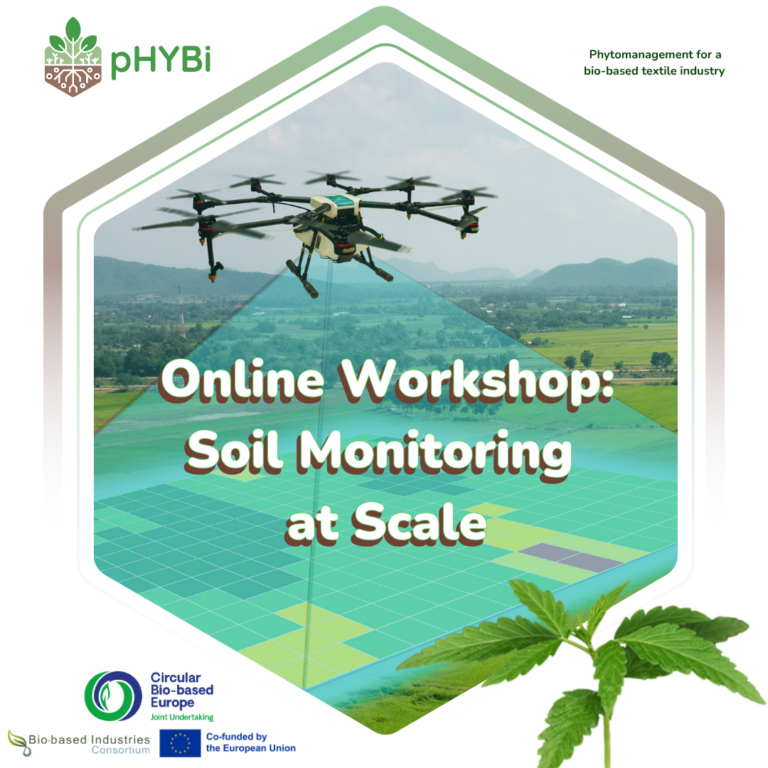
The pHYBi consortium is pleased to invite you to its online stakeholder workshop, “Soil Monitoring at Scale: Advances in Digital Methods and Modelling”, taking place on 30 June 2026.
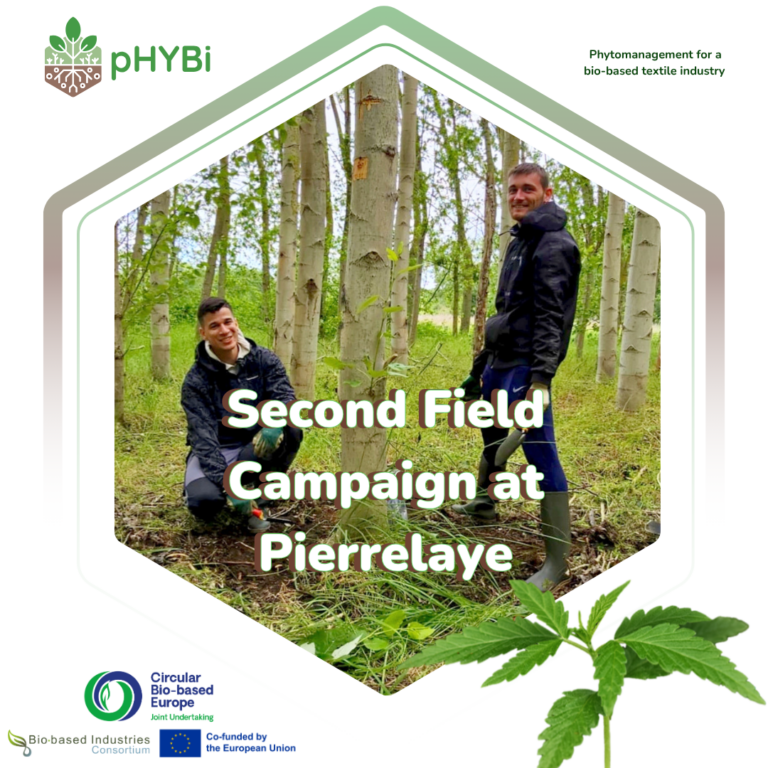
Pierrelaye is one of pHYBi’s key phytoremediation trial sites, located in the north-west of Paris (Île-de-France). Throughout the project, partners from the Chrono-environnement Laboratory at the University of Louis Pasteur (Montbéliard) are conducting a series of field monitoring campaigns at this site. These activities help to establish an initial baseline and closely track how remediation processes evolve under real-world conditions.
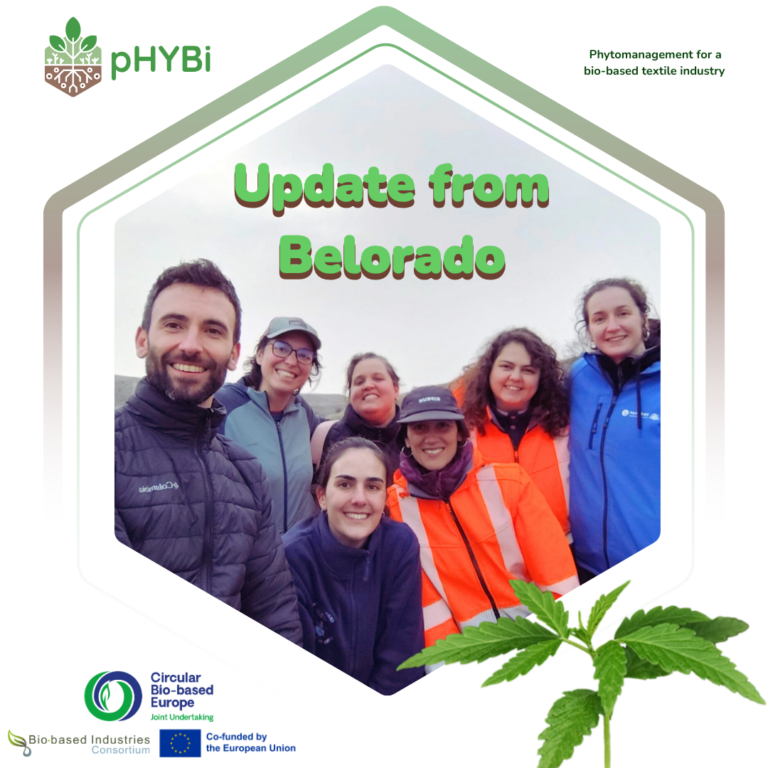
The pHYBi project includes several case studies where partners test phytomanagement strategies to address different forms of soil degradation and contamination. One of these sites is located in Belorado near Burgos, displaying high salinity levels caused by active mining operations extracting thenardite and glauberite, minerals used to produce anhydrous sodium sulfate.
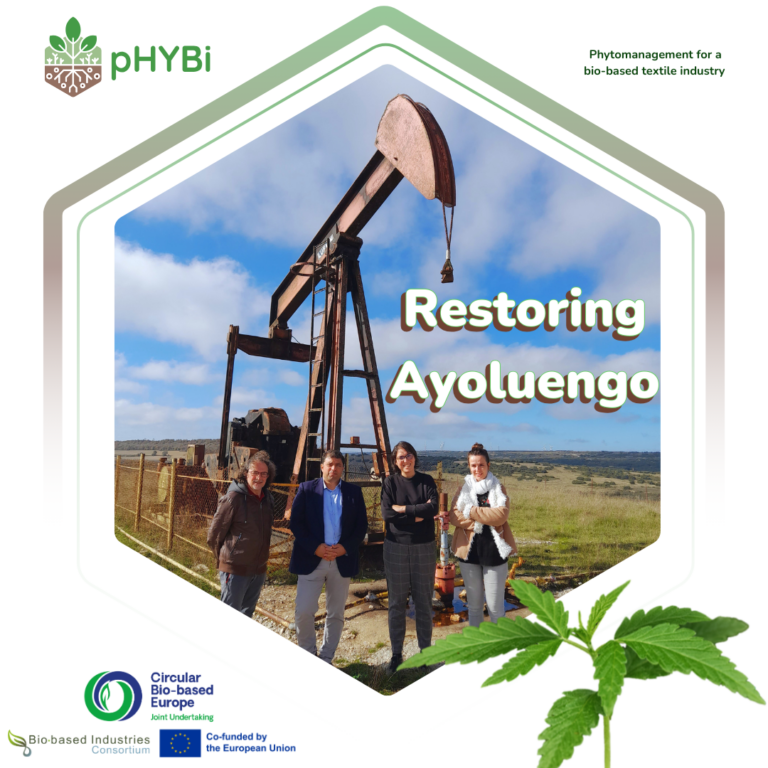
On 4 December 2025, the pHYBi project held its first co-creation workshop in Sargentes de la Lora, Spain. Hosted by the University of Burgos and the Digital Innovation Hub on Livestock, Environment, Agriculture & Forest (DIH-LEAF), the event brought together 41 participants from 25 organisations to collaborate on designing a sustainable future for the Ayoluengo oilfield – Spain’s only historic onshore oil extraction site.
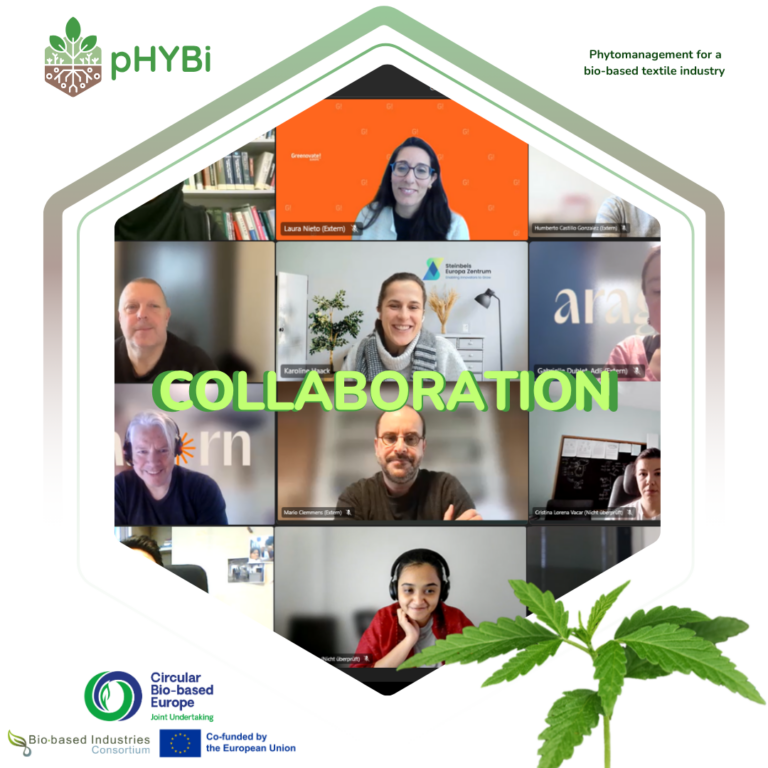
On 28 November 2025, the pHYBi project hosted an online exchange meeting that focused on sustainable soil remediation. The meeting brought together several EU initiatives, including LIFE PFASTER, ARAGORN, and bioSOILUTIONS, providing a platform for sharing knowledge across projects, discussing lessons learned and highlighting challenges encountered in the field of phytoremediation.
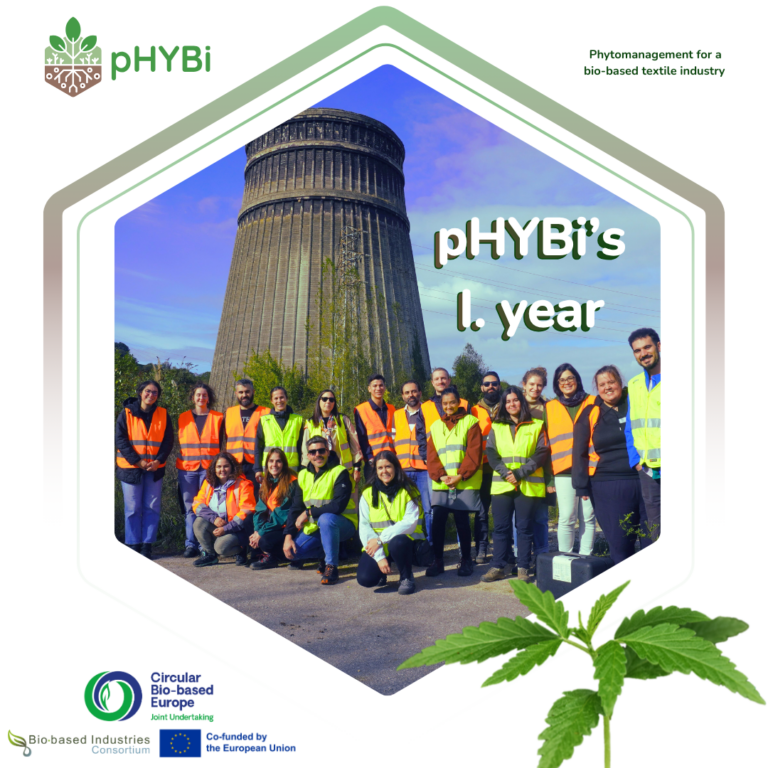
The pHYBi project is celebrating its first anniversary with some exciting progress in transforming contaminated soils into sustainable textile innovations. Backed by the Circular Bio-based Europe Joint Undertaking (CBE JU), the project combines soil remediation with bio-based textile solutions. This approach tackles the dual challenges of soil restoration and the demand for circular feedstock.
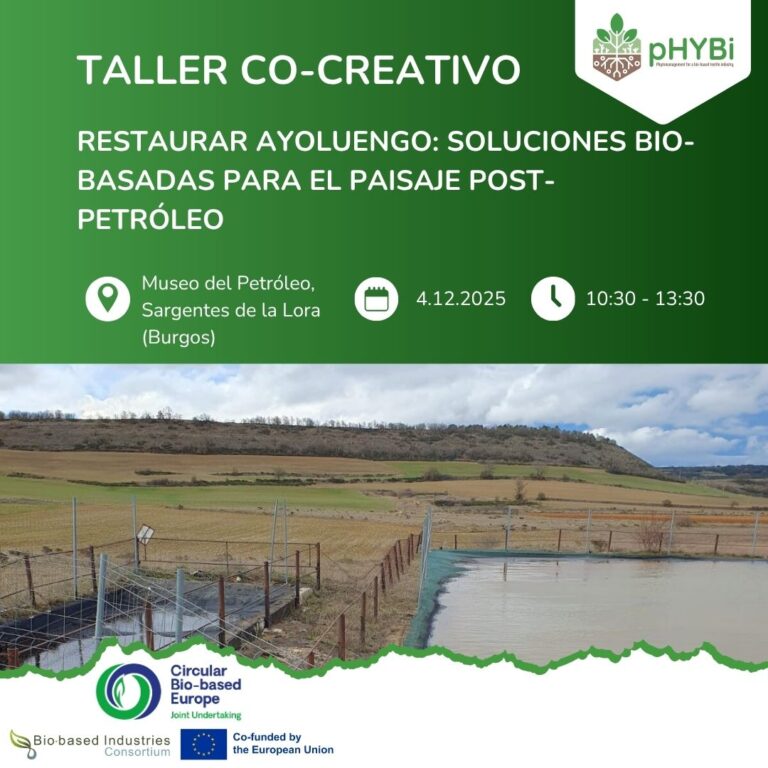
Click here for the English version RESTAURAR AYOLUENGO: SOLUCIONES BIO-BASADAS PARA EL PAISAJE POST-PETRÓLEO Desde Digital Innovation Hub on Livestock, Environment, Agriculture & Forest (DIH-LEAF) e ICCRAM – Universidad de Burgos, miembros del consorcio del proyecto europeo pHYBi, tenemos el placer de invitarle a participar en el Taller Co-Creativo pHYBi,
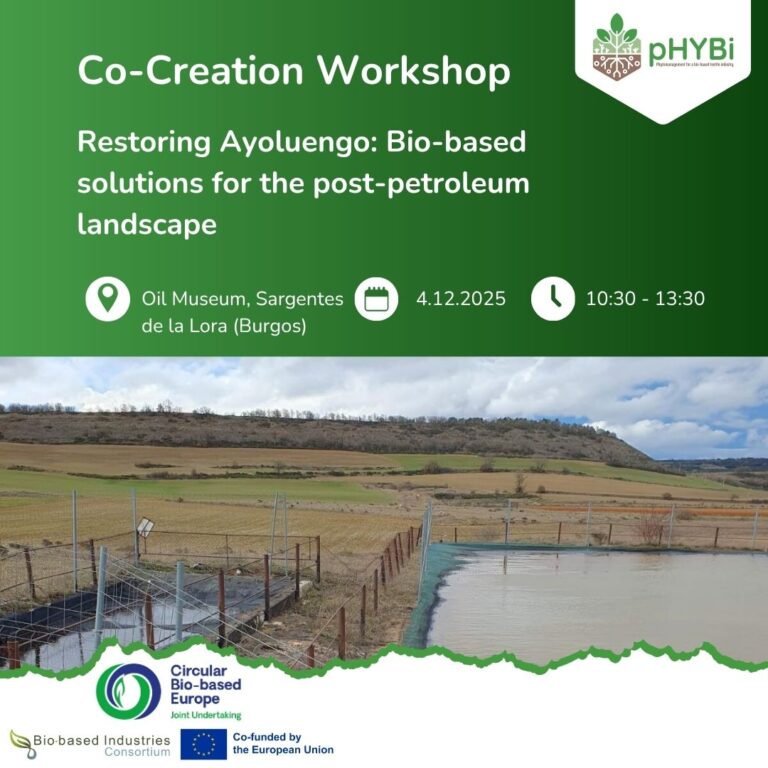
Click here for the Spanish version Restoring Ayoluengo: Bio-based solutions for the post-petroleum landscape From the Digital Innovation Hub on Livestock, Environment, Agriculture & Forest (DIH-LEAF) and ICCRAM – University of Burgos, both members of the European pHYBi project consortium, we are pleased to invite you to participate in the
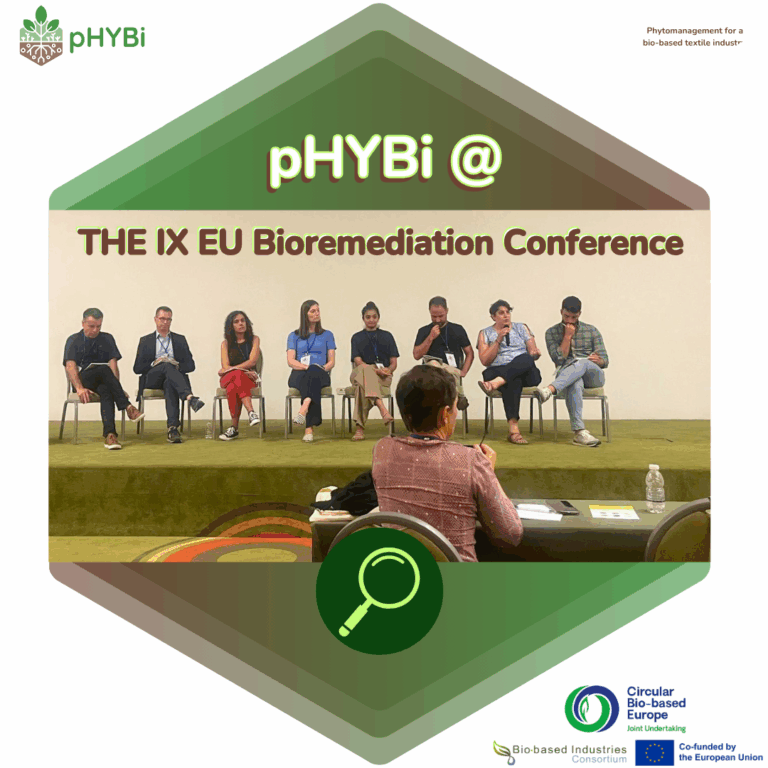
What do you get when you mix a passion for healthy soils with Greek sunshine and a room full of Europe’s leading bioremediation minds? This year’s European Bioremediation Conference (EBC-IX) in Chania in June 2025 was the perfect stage for the pHYBi team to share our project’s unique, two-fold modelling workflow.
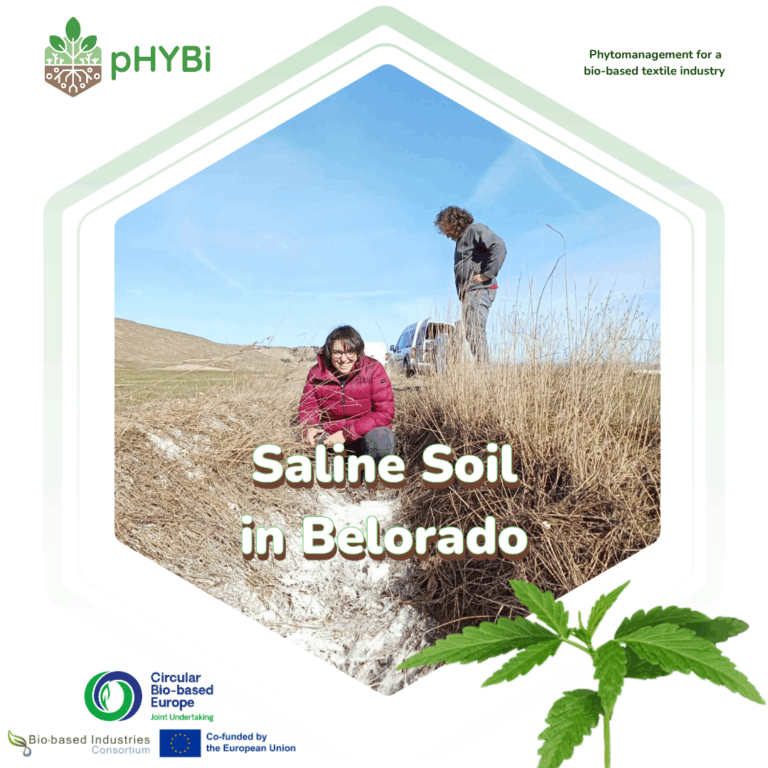
When you think of mining, you might picture hard hats, heavy machinery, and the distant rumble of industry. But for the pHYBi team, our recent adventure in Belorado, east of Burgos, Spain, was all about the silent legacy of mining: salty soils and their impact on the landscape. In this pHYBi case study, ear our project partner University of Burgos, we’re using a combination of hands-on science and drone technology to address environmental issues directly.
You need to load content from reCAPTCHA to submit the form. Please note that doing so will share data with third-party providers.
More InformationYou are currently viewing a placeholder content from Turnstile. To access the actual content, click the button below. Please note that doing so will share data with third-party providers.
More InformationYou are currently viewing a placeholder content from Vimeo. To access the actual content, click the button below. Please note that doing so will share data with third-party providers.
More InformationYou are currently viewing a placeholder content from YouTube. To access the actual content, click the button below. Please note that doing so will share data with third-party providers.
More InformationYou need to load content from reCAPTCHA to submit the form. Please note that doing so will share data with third-party providers.
More Information