News

pHYBi reaches halfway point

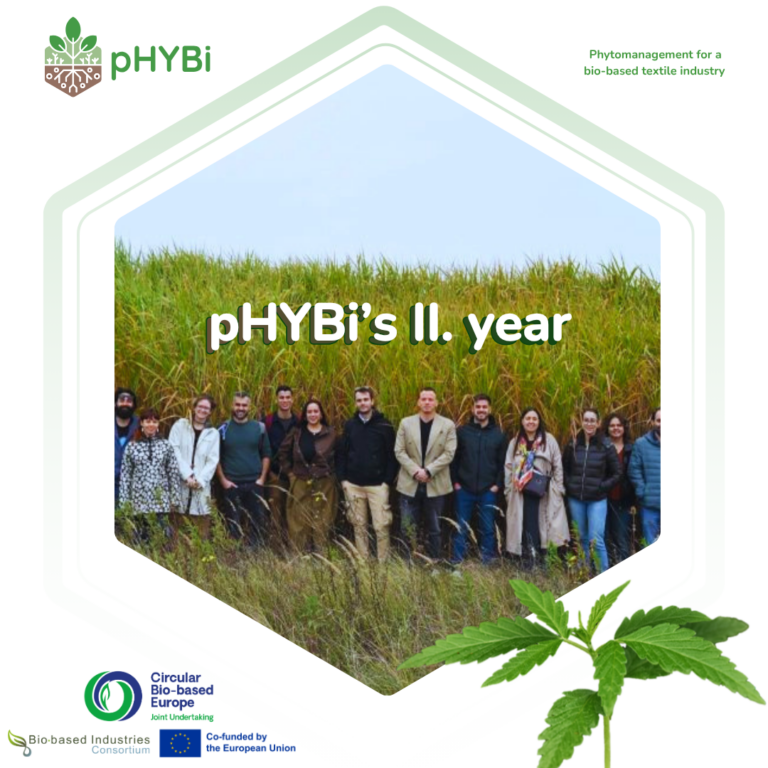
pHYBi marked its second anniversary with a two-day project meeting in Croatia on 8–9 October. Hosted by project partner Particula Group, the consortium gathered in Zagreb to review progress, discuss recent results and coordinate activities for the next phase of the project.
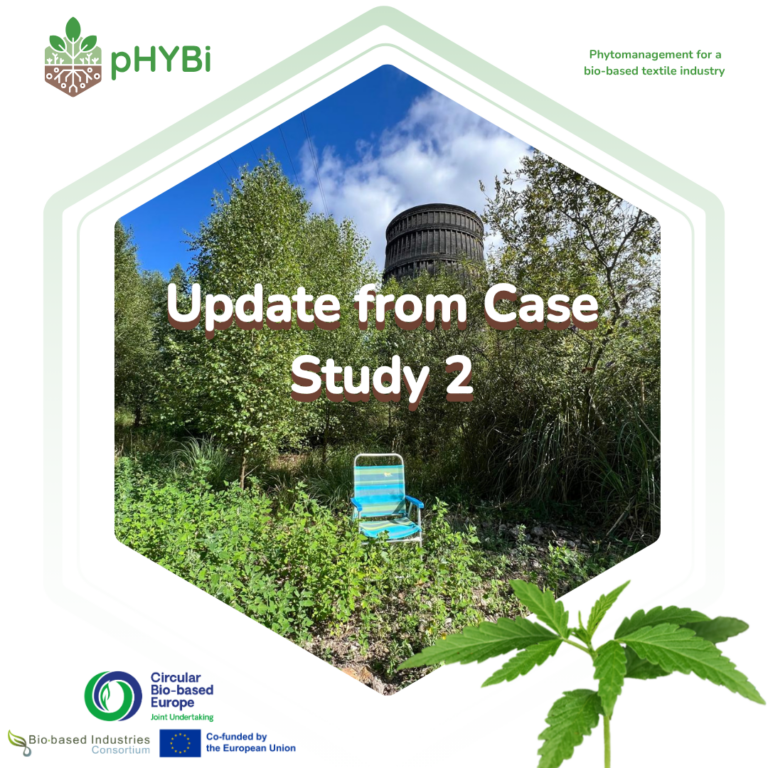
A highlight of the meeting was a visit to pHYBi’s case study site in Donja Gračenica, where Miscanthus × giganteus is being cultivated on soil affected by oil and heavy-metal contamination. The visit provided a practical example of pHYBi’s overall approach: developing phytomanagement strategies for contaminated land while exploring how the biomass produced on these sites can become a resource for bio-based applications.
»
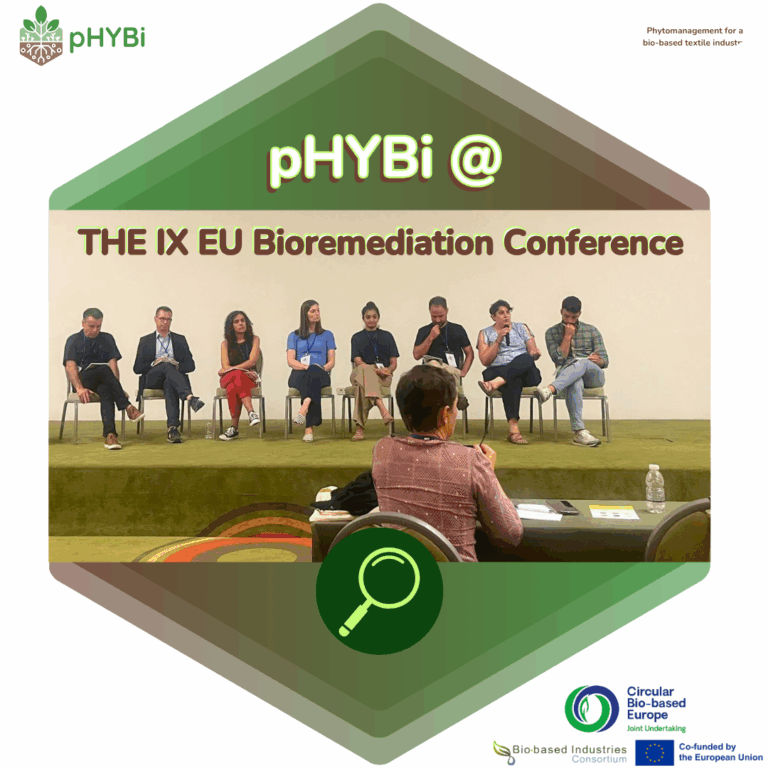
pHYBi All4Biorem BioRemid2026 1

pHYBi at the BioRemid2026, Florence, Italy

From 23–26 June, the BioRemid2026 conference took place in Florence, Italy, bringing together researchers and practitioners working on bioremediation and environmental restoration. pHYBi contributed to the conference as part of the All4Biorem Cluster Session.

»

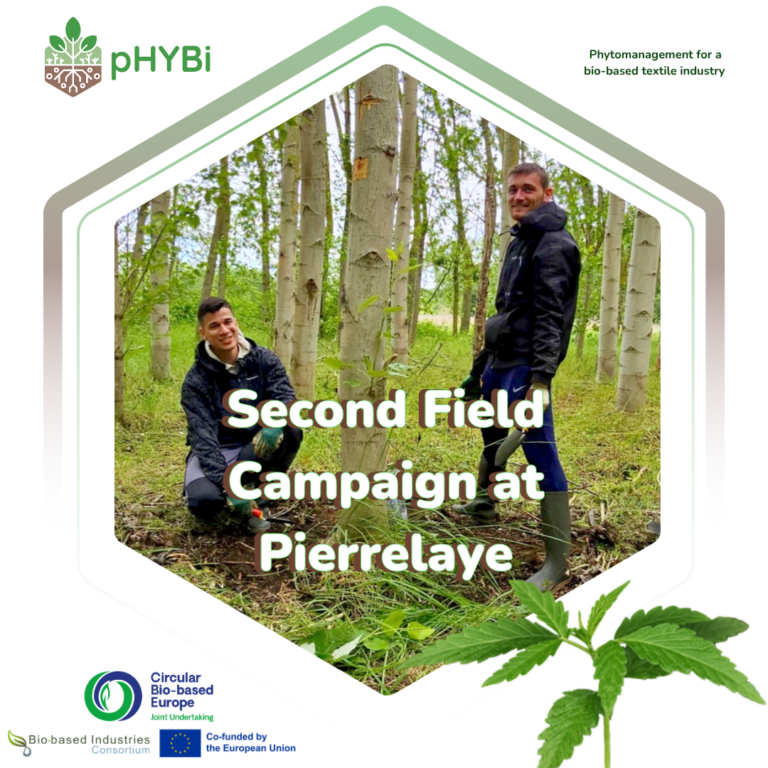
Second field campaign at Pierrelaye: Long-term phytomanagement at one of pHYBi’s trial sites

Pierrelaye is one of pHYBi’s key phytoremediation trial sites, located in the north-west of Paris (Île-de-France). Throughout the project, partners from the Chrono-environnement Laboratory at the University of Louis Pasteur (Montbéliard) are conducting a series of field monitoring campaigns at this site. These activities help to establish an initial baseline and closely track how remediation processes evolve under real-world conditions.

»

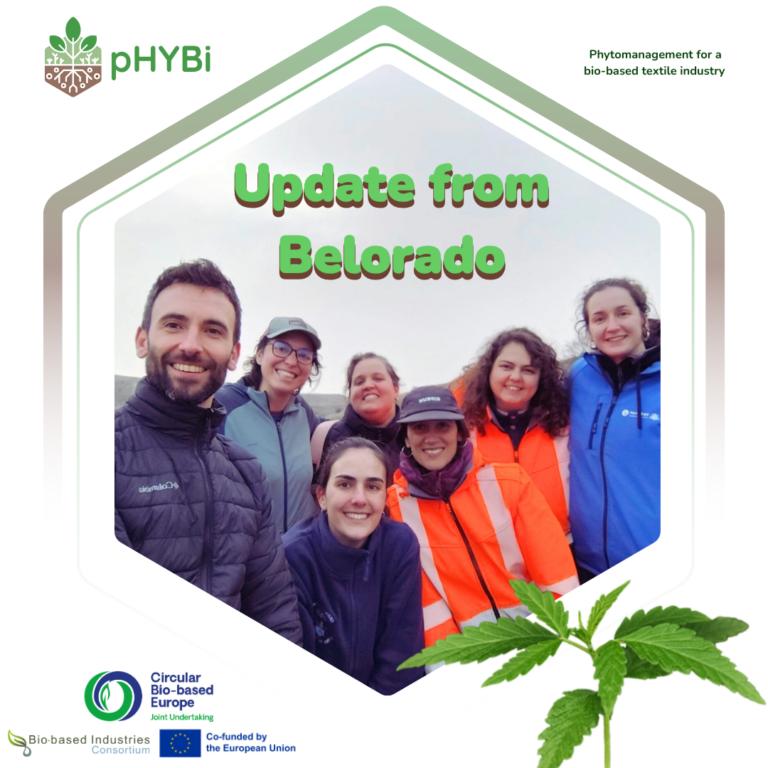
Joining forces to advance soil monitoring on saline land

The pHYBi project includes several case studies where partners test phytomanagement strategies to address different forms of soil degradation and contamination. One of these sites is located in Belorado near Burgos, displaying high salinity levels caused by active mining operations extracting thenardite and glauberite, minerals used to produce anhydrous sodium sulfate.

»
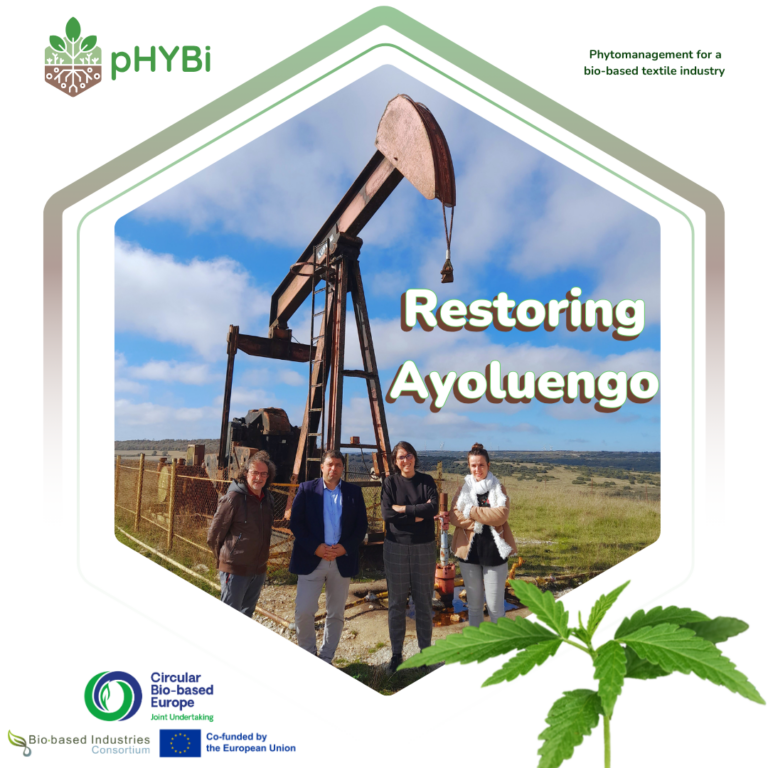
Restoring Ayoluengo

Restoring Ayoluengo: Insights from the Co-creation Workshop in Sargentes de la Lora

On 4 December 2025, the pHYBi project held its first co-creation workshop in Sargentes de la Lora, Spain. Hosted by the University of Burgos and the Digital Innovation Hub on Livestock, Environment, Agriculture & Forest (DIH-LEAF), the event brought together 41 participants from 25 organisations to collaborate on designing a sustainable future for the Ayoluengo oilfield – Spain’s only historic onshore oil extraction site.

»
remediation projects exchange

Cross-project collaboration for healthier soils in Europe

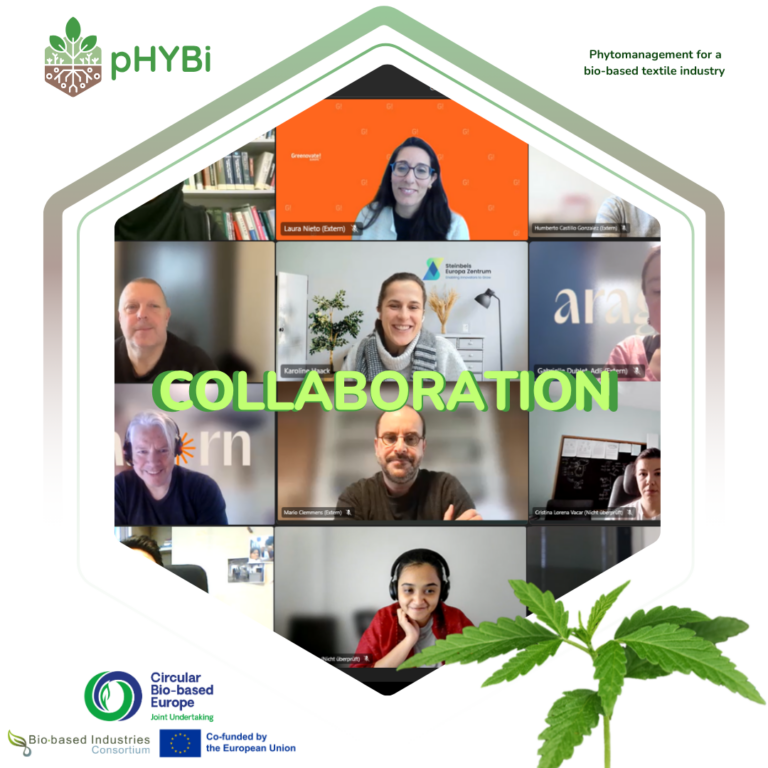
On 28 November 2025, the pHYBi project hosted an online exchange meeting that focused on sustainable soil remediation. The meeting brought together several EU initiatives, including LIFE PFASTER, ARAGORN, and bioSOILUTIONS, providing a platform for sharing knowledge across projects, discussing lessons learned and highlighting challenges encountered in the field of phytoremediation.

»
first year and site visit asturias

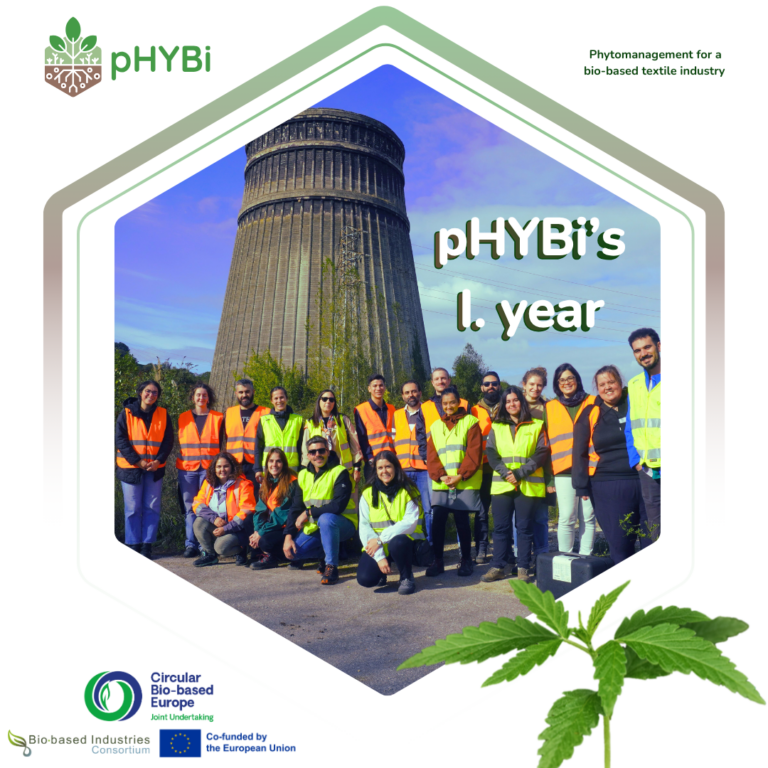
pHYBi’s First Year

The pHYBi project is celebrating its first anniversary with some exciting progress in transforming contaminated soils into sustainable textile innovations. Backed by the Circular Bio-based Europe Joint Undertaking (CBE JU), the project combines soil remediation with bio-based textile solutions. This approach tackles the dual challenges of soil restoration and the demand for circular feedstock.

»

Taller Co-Creativo

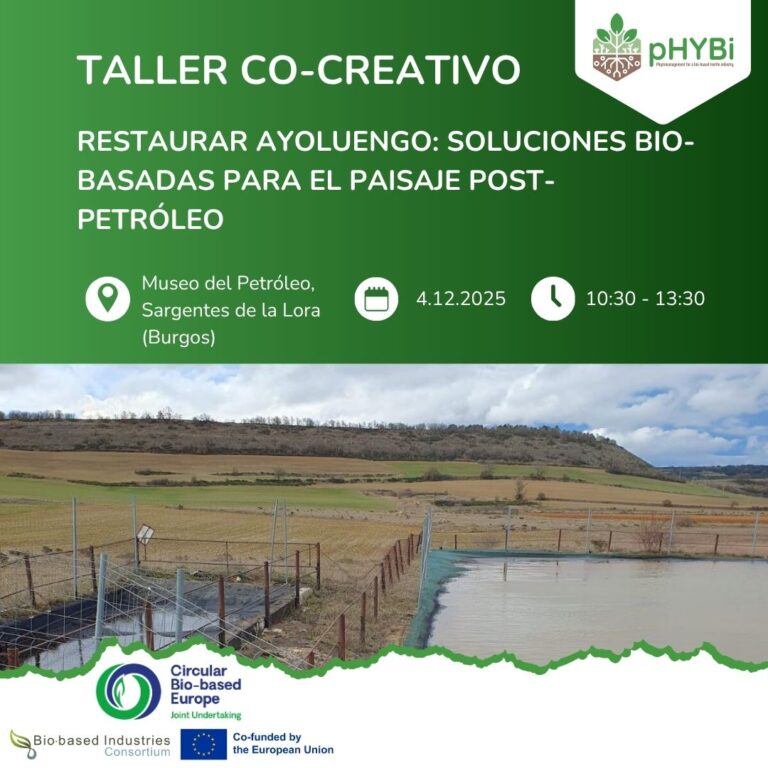
Click here for the English version RESTAURAR AYOLUENGO: SOLUCIONES BIO-BASADAS PARA EL PAISAJE POST-PETRÓLEO Desde Digital Innovation Hub on Livestock, Environment, Agriculture & Forest (DIH-LEAF) e ICCRAM – Universidad de Burgos, miembros del consorcio del proyecto europeo pHYBi, tenemos el placer de invitarle a participar en el Taller Co-Creativo pHYBi,

»

pHYBi Co-Creation Workshop

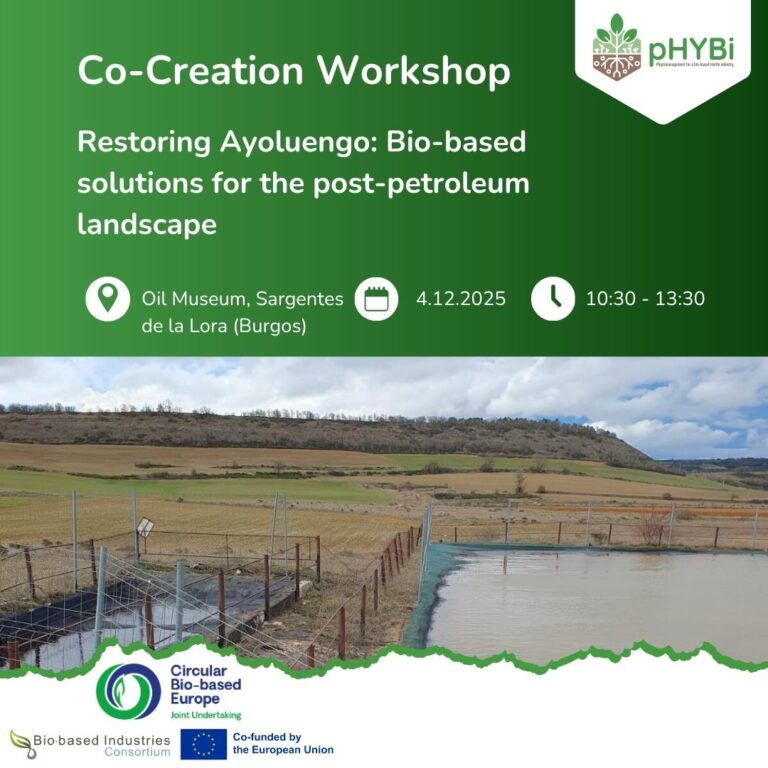
Click here for the Spanish version Restoring Ayoluengo:  Bio-based solutions for the post-petroleum landscape From the Digital Innovation Hub on Livestock, Environment, Agriculture & Forest (DIH-LEAF) and ICCRAM – University of Burgos, both members of the European pHYBi project consortium, we are pleased to invite you to participate in the

»